Table of Contents
Aluminum alloy forged ring should be selected around the complete assembly, with the controlling interfaces agreed before an order is released. The relevant product role is to provide a ring-shaped blank or finished component for mechanical and sealing assemblies. For the buyer, the first decision is how the proposed component will meet that role in the actual equipment or installation. A nominal size or an attractive product image is useful context, but it does not resolve the fit, material and acceptance requirements.
This guide focuses on ring blank and stock selection. The review needs to cover wall distribution, ovality, machining stock and final temper. The practical risk is that a ring that meets its average diameter can still have local stock shortages or ovality. Addressing that mechanism early makes quotations easier to compare and gives the sample review a clear purpose.
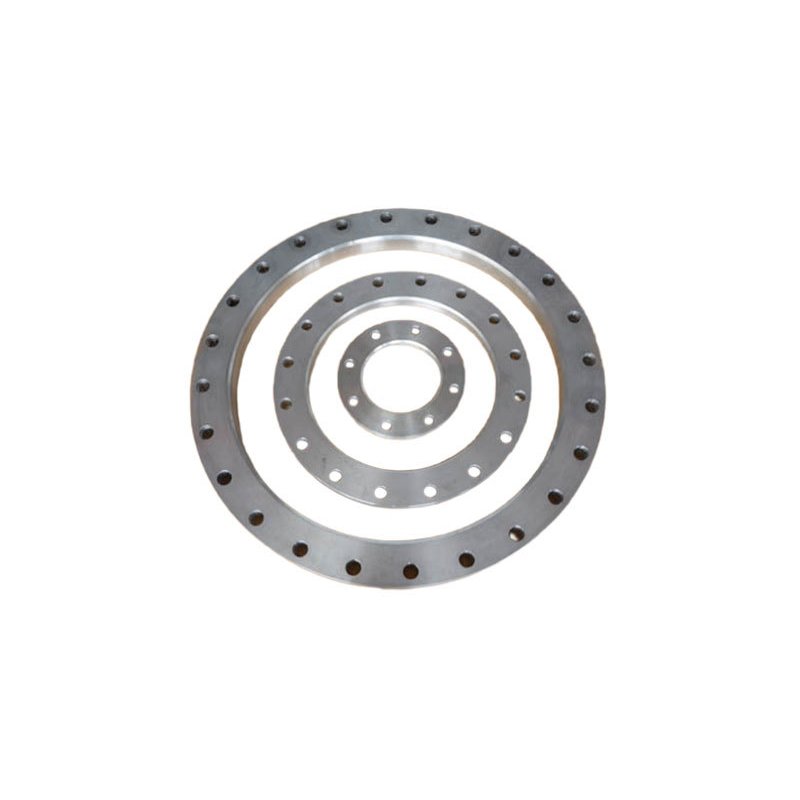
A review scenario for aluminum alloy forged ring
Map the machining allowance around the complete circumference. Compare the thinnest region against the final envelope instead of using one diameter reading.
For aluminum alloy forged ring, turn the comparison into a written decision record. List the proposed configuration and the alternative, then compare wall distribution, ovality, machining stock and final temper under the actual application conditions. Ask which requirements are already demonstrated and which still need a drawing review, a calculation or a sample trial. This keeps the choice tied to evidence rather than to a familiar product name.
Measure rings around the full circumference
A single caliper reading cannot describe the complete geometry of a ring. For aluminum alloy forged ring, inspect outside diameter, inside diameter, wall variation and ovality at enough positions to represent the drawing requirements. The inspection state also matters. A thin ring held in a fixture may appear round while its free-state shape differs. Agree how the ring is supported and where measurements are taken.
When aluminum alloy forged ring is supplied as machining stock, map the minimum remaining allowance rather than relying only on an average diameter. Mark the datum and orientation used for the report so the machinist can reproduce it. If local stock is insufficient, machining the rest of the circumference more deeply does not solve the original shortage. Resolve the blank envelope before release and keep any accepted deviation tied to the exact part and revision.
Choose forging stock around the finished geometry
A forged route can be useful for ring and flange shapes, but the process name alone does not define the finished quality. For aluminum alloy forged ring, discuss alloy, blank dimensions, forming route, heat treatment and the machining allowance together. Ask which records identify the material batch and which inspections apply to the supplied condition. Distinguish a forged blank from a fully machined component in both the quotation and receiving plan.
The aluminum alloy forged ring blank drawing should reserve stock at critical faces, bores and hubs while avoiding unnecessary material removal. Review how the part will be located during machining and where process variation may consume allowance. Do not describe every forging as free from defects. Specify any required internal or surface examination, its acceptance basis and its timing in the process. This produces a verifiable order rather than a broad quality promise.
Retain a repeat-order specification
A repeat-order package for aluminum alloy forged ring should preserve the approved drawing, material and finish, sample references, inspection requirements and known mating interfaces. Include the final accepted deviations only with their documented limits. A saved purchase-order number is useful, but it may not capture a change agreed during sample review or the exact configuration delivered.
For aluminum alloy forged ring, keep spare-part identity separate from a generic product family name. Confirm whether a replacement must match appearance, geometry, material condition or all three. Review any obsolete hardware or seal before copying an old order. Clear retained records reduce the need to reverse-engineer a worn component and make supplier comparisons more reliable when the original source is unavailable.
Resolve alignment before tightening the joint
An assembly trial for aluminum alloy forged ring should check parallelism, center location and the intended gap before the fasteners are fully tightened. If the joint closes unevenly, investigate the mating geometry and support condition. Tightening harder can conceal a fit problem while increasing stress in the parts or gasket. Record the free alignment condition so later inspectors can distinguish an original mismatch from handling damage.
For repeat aluminum alloy forged ring orders, use the approved trial to define a reproducible interface check. Include any orientation features, spacers and temporary assembly tools in the work instruction. A fixture should represent the actual locating scheme rather than forcing every sample into an ideal position. If the equipment drawing changes, review the fixture as well, because a gauge built for an earlier revision can approve parts that no longer fit.
Specify alloy and temper together
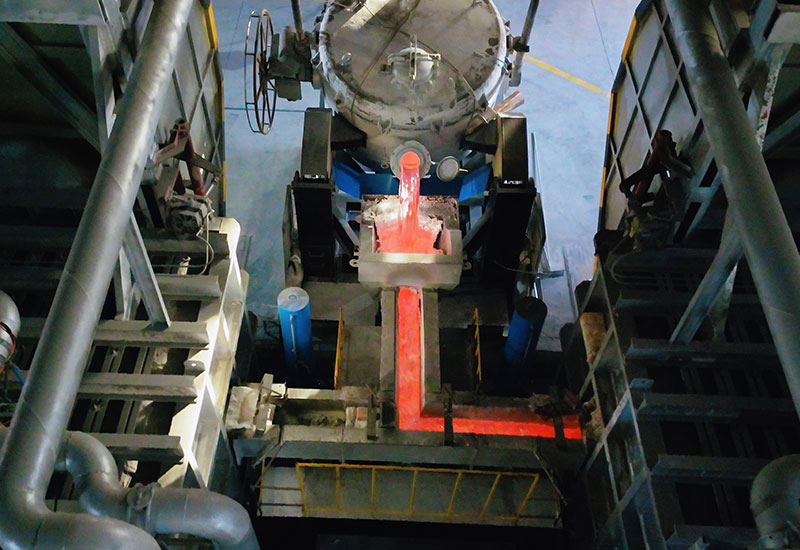
The material description for aluminum alloy forged ring should identify both alloy and supplied condition. The same alloy family can be delivered in conditions with different mechanical properties, machining behavior and dimensional stability. Obtain the material certificate required by the purchase order and link it to the supplied parts. A visual inspection or an informal hardness reading does not replace the agreed material identification.
For aluminum alloy forged ring, also define whether the stated condition applies before forming, after heat treatment or at final delivery. If welding or additional heat exposure is planned, the responsible engineer should review the effect on the finished assembly. Avoid substituting a familiar alloy solely because it is easier to source. Material changes can affect more than strength, including corrosion behavior, finishing response and the validity of an existing qualification.
Inspect the complete bolt pattern
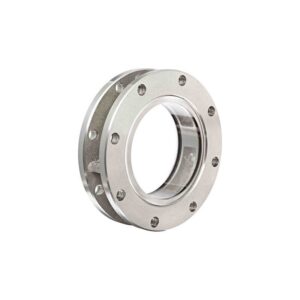
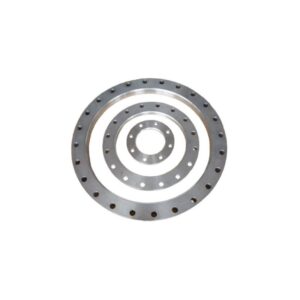
Bolt count and bolt-circle diameter are only the beginning of an aluminum alloy forged ring interface check. Hole diameter, angular orientation, concentricity to the bore and access for the selected fastener also matter. Two patterns can share a nominal size yet differ enough to prevent assembly. Choose a drawing datum that reflects how the flange locates on the equipment, and report hole positions from that datum.
A practical aluminum alloy forged ring inspection uses a coordinate report or an agreed functional gauge where appropriate. Check every hole rather than inferring the pattern from a single adjacent spacing. Include any orientation feature, such as a unique port or an asymmetric outline, in the report. During sample assembly, verify washer seating and tool clearance. Enlarging holes on site should be treated as an engineering change, because it can alter bearing area and position control.
Use a joint-specific assembly procedure
The fastener arrangement for aluminum alloy forged ring includes bolt or stud grade, dimensions, washers where specified, thread condition and lubrication. These variables affect the relationship between applied torque and achieved bolt tension. Do not publish or apply one universal tightening value for every nominal size. Obtain an approved procedure for the complete joint and identify the equipment used to apply and verify it.
The installation record for aluminum alloy forged ring should capture the specified tightening sequence, the condition of reused components if reuse is allowed, and any required checks. Keep personnel access in mind when reviewing the flange location. A technically correct fastener can still be difficult to install consistently if the tool cannot seat. For unusual geometry, trial the tools during sample assembly so the issue is resolved before field installation.
Control the datum scheme through machining and inspection
A machining plan for aluminum alloy forged ring should locate the part from features that reflect its assembled function. Agree primary, secondary and tertiary datums before assigning tight position tolerances. When the drawing uses one reference and the workshop inspects from another, both parties can report acceptable numbers while disagreeing about fit. Put the datum scheme on the controlled drawing and reproduce it in the inspection report.
For aluminum alloy forged ring, review the sequence for rough machining, any stabilization step required by the process, and final machining. Thin walls or interrupted sections may move after material removal or unclamping. Define whether the final measurement is free-state or restrained, and use the same condition for sample approval and batch release. A change in fixture or sequence should trigger a review of the critical features it can affect.
Evidence to compare for aluminum alloy forged ring
| Decision | Incomplete basis | Evidence to request |
|---|---|---|
| Assembly interface | A nominal size or photograph | wall distribution, ovality, machining stock and final temper |
| Material and finish | A generic material name | Specified alloy or grade, condition and finish route |
| Sample release | Appearance alone | ring envelope drawing, material record and circumferential inspection map |
| Commercial comparison | Unit price without exclusions | Included processing, documents, packing and delivery basis |
The comparison is intended to guide a review of aluminum alloy forged ring, not to supply a universal design value. Choose the acceptance basis from the actual project and keep it consistent across quotation, sample approval and receiving inspection. If the complete assembly needs performance validation, define that work separately from the supplier’s component measurements.
Request a review of aluminum alloy forged ring
Beihaoli lists Aluminum Alloy Forged Ring / Forging Ring in its catalogue. Use that page to explain the product family, then send the current drawing and application requirements for a configuration-specific review. For aluminum alloy forged ring, highlight wall distribution, ovality, machining stock and final temper and include the evidence required for acceptance. Catalogue descriptions and photographs should not be treated as an order-specific capacity or certification statement.
The company’s manufacturing capabilities page describes forging, extrusion, machining, finishing and inspection support. Ask which operations and documents are included in the proposed aluminum alloy forged ring supply route. Provide the required quantity, sample expectations and delivery destination so the response can address tooling, first-article work, packing and shipment planning on the same technical basis.
For independent background, consult the Aluminum Association processing overview. The process overview provides background. Product acceptance should follow the drawing, material requirements and agreed inspection plan.
Questions about aluminum alloy forged ring
What information is needed to specify aluminum alloy forged ring?
Provide the application, current drawing, material and supplied condition, dimensions, finish and quantity. For this interface, identify wall distribution, ovality, machining stock and final temper. Include the mating parts so fit is reviewed as an assembly.
Can aluminum alloy forged ring be selected by appearance alone?
No. A photograph helps explain the shape but cannot establish tolerances, material, service limits or system qualification. In this application, a ring that meets its average diameter can still have local stock shortages or ovality. Request the relevant drawing and evidence.
Which evidence should accompany aluminum alloy forged ring?
Agree an inspection package before ordering. Relevant inputs include ring envelope drawing, material record and circumferential inspection map. Material records and assembly trials answer different questions, so neither should be used as a substitute for the other.
When should buyers request a sample of aluminum alloy forged ring?
Request a sample before batch release when a new interface, finish, tool or material is involved. Define the checks in advance and retain the accepted sample identity and drawing revision.
What should a quotation for aluminum alloy forged ring include?
Ask for the supplied condition, included processing and inspection, packaging, quantity basis and order-specific delivery plan. Have deviations and exclusions listed explicitly so competing offers can be compared on the same scope.