Table of Contents
Aluminum wheel hub flange should be selected around the complete assembly, with the controlling interfaces agreed before an order is released. The relevant product role is to form a drawing-specific hub connection for a transport assembly. For the buyer, the first decision is how the proposed component will meet that role in the actual equipment or installation. A nominal size or an attractive product image is useful context, but it does not resolve the fit, material and acceptance requirements.
This guide focuses on hub interface selection. The review needs to cover wheel mounting faces, bolt circle, hub location and cyclic loading interfaces. The practical risk is that a dimensional fit alone cannot establish fatigue suitability for a vehicle duty cycle. Addressing that mechanism early makes quotations easier to compare and gives the sample review a clear purpose.
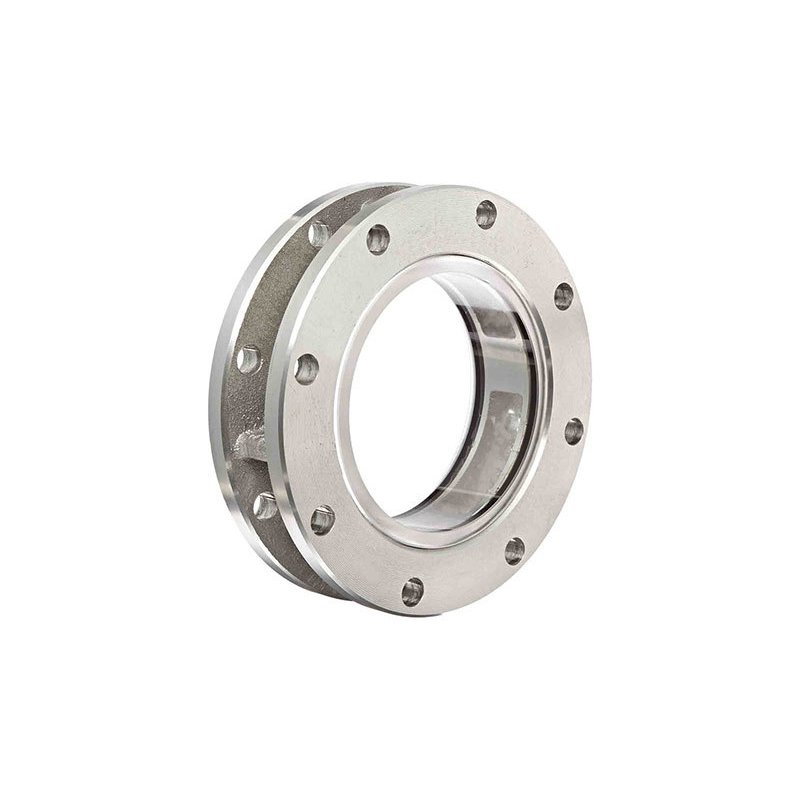
A review scenario for aluminum wheel hub flange
Review the hub pilot and mounting face with the actual mating hardware. Separate dimensional sample acceptance from application validation for the vehicle platform.
For aluminum wheel hub flange, turn the comparison into a written decision record. List the proposed configuration and the alternative, then compare wheel mounting faces, bolt circle, hub location and cyclic loading interfaces under the actual application conditions. Ask which requirements are already demonstrated and which still need a drawing review, a calculation or a sample trial. This keeps the choice tied to evidence rather than to a familiar product name.
Inspect the complete bolt pattern
Bolt count and bolt-circle diameter are only the beginning of an aluminum wheel hub flange interface check. Hole diameter, angular orientation, concentricity to the bore and access for the selected fastener also matter. Two patterns can share a nominal size yet differ enough to prevent assembly. Choose a drawing datum that reflects how the flange locates on the equipment, and report hole positions from that datum.
A practical aluminum wheel hub flange inspection uses a coordinate report or an agreed functional gauge where appropriate. Check every hole rather than inferring the pattern from a single adjacent spacing. Include any orientation feature, such as a unique port or an asymmetric outline, in the report. During sample assembly, verify washer seating and tool clearance. Enlarging holes on site should be treated as an engineering change, because it can alter bearing area and position control.
Include external forces and connection stiffness
Internal pressure is not the only action that may affect aluminum wheel hub flange. Connected pipework, enclosure weight, thermal movement, vibration and mounting eccentricity can impose additional demands. Show the neighboring supports and restraints on the layout. A component chosen only from a nominal pressure label may be inappropriate if the connected assembly applies substantial moments or uneven loads.
For aluminum wheel hub flange, the responsible designer should review how those actions reach the flange and its fasteners. Keep assumptions about support positions and allowable movement with the approved drawing. During installation, do not use the bolts to pull severely misaligned components into place. Record the mismatch and correct its source through the approved procedure. Otherwise, the assembled joint may contain an unreviewed preload before normal operation even begins.
Build an RFQ that makes quotations comparable
A useful RFQ for aluminum wheel hub flange identifies the drawing revision, material, finish, order quantity, delivery condition and inspection requirements. Separate mandatory requirements from preferences that suppliers may propose alternatives for. Ask each bidder to list exclusions and deviations. Otherwise, a low price can reflect an unfinished part, omitted documentation or a different acceptance basis rather than a more efficient manufacturing route.
For aluminum wheel hub flange, request separate explanations for tooling, samples, batch production and packaging where they materially affect the decision. State whether secondary processing and assembly components are included. Compare quotations against one controlled specification before comparing unit prices. Resolve conflicting assumptions in writing and place the agreed scope on the purchase order so it remains visible after commercial negotiations end.
Evaluate the supplier through relevant evidence
A supplier of aluminum wheel hub flange should be assessed against the actual process and interface requirements of the order. Ask for relevant manufacturing scope, sample reports and the proposed inspection route. Distinguish an in-house operation from one coordinated through another facility, because the control and documentation arrangements may differ. General factory photographs cannot establish capability for every tolerance or application.
For aluminum wheel hub flange, review how technical questions, drawing changes and nonconforming parts will be handled. A useful supplier response identifies assumptions and offers a verifiable plan rather than promising every requirement without discussion. Compare a representative sample with the planned batch route. Keep any claimed certification or product qualification tied to valid evidence and its scope before including it in procurement approval.
Use a joint-specific assembly procedure
The fastener arrangement for aluminum wheel hub flange includes bolt or stud grade, dimensions, washers where specified, thread condition and lubrication. These variables affect the relationship between applied torque and achieved bolt tension. Do not publish or apply one universal tightening value for every nominal size. Obtain an approved procedure for the complete joint and identify the equipment used to apply and verify it.
The installation record for aluminum wheel hub flange should capture the specified tightening sequence, the condition of reused components if reuse is allowed, and any required checks. Keep personnel access in mind when reviewing the flange location. A technically correct fastener can still be difficult to install consistently if the tool cannot seat. For unusual geometry, trial the tools during sample assembly so the issue is resolved before field installation.
Match the bore and connected component
The bore of aluminum wheel hub flange must be related to the connected pipe, hub or equipment opening. Nominal size alone does not establish the actual internal diameter or the transition required by the assembly. Specify the mating wall or connection detail, identify the controlling datum, and inspect the bore position relative to the bolt pattern. An accurate diameter in the wrong location can still prevent assembly.
For aluminum wheel hub flange incorporating a weld preparation, obtain the approved joint detail and the applicable material requirements. Do not reduce the connection to a preferred bevel angle copied from an unrelated order. A sample review should consider the inside transition and the accessible root region as well as external fit. Where the part is not welded, confirm the locating pilot, clearance or sealing engagement that actually controls its function.
Agree the support condition for flatness measurements
A flatness callout for aluminum wheel hub flange is incomplete in practice if the measurement support is unclear for a flexible part. Define the inspected face, the permitted restraint and the equipment used to collect readings. Separate overall flatness from local damage or surface texture. A straightedge screening check may identify obvious issues, but it should not be presented as a complete report when the order requires a different measurement method.
For aluminum wheel hub flange, compare measurements before and after final processing where distortion is a concern. Record the free-state condition if that is what the drawing controls. Do not clamp a flexible part flat simply to obtain an acceptable reading unless restrained inspection is explicitly specified. If the mating assembly provides restraint, the designer can define that condition and its limits. Keep sample and production measurements consistent so acceptance does not shift between batches.
Write the standard, part and edition explicitly
Standards serve different purposes. A material specification identifies material requirements, while a flange standard may address geometry and ratings within its scope. A piping code addresses the wider system. For aluminum wheel hub flange, listing these references in separate purchase-order fields prevents a material name from being treated as a complete component specification. Name the edition required by the project instead of assuming every supplier uses the same revision.
For aluminum wheel hub flange made in aluminum, check the material scope of every reference before using a familiar steel designation. In the EN 1092 series, material-specific parts must be distinguished. A statement such as European standard is too broad to define the interface. If the design is drawing-controlled, say which dimensions follow the standard and which are custom. Request written clarification of conflicts between the drawing and a referenced document before manufacture begins.
Evidence to compare for aluminum wheel hub flange
| Decision | Incomplete basis | Evidence to request |
|---|---|---|
| Assembly interface | A nominal size or photograph | wheel mounting faces, bolt circle, hub location and cyclic loading interfaces |
| Material and finish | A generic material name | Specified alloy or grade, condition and finish route |
| Sample release | Appearance alone | vehicle-specific drawing, material and temper records and agreed validation plan |
| Commercial comparison | Unit price without exclusions | Included processing, documents, packing and delivery basis |
The comparison is intended to guide a review of aluminum wheel hub flange, not to supply a universal design value. Choose the acceptance basis from the actual project and keep it consistent across quotation, sample approval and receiving inspection. If the complete assembly needs performance validation, define that work separately from the supplier’s component measurements.
Request a review of aluminum wheel hub flange
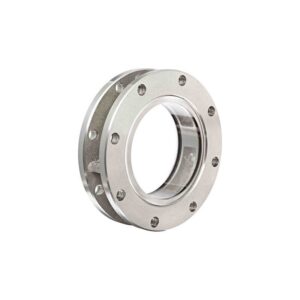
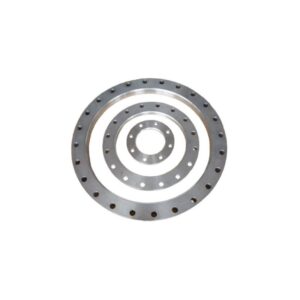
Beihaoli lists Aluminum Alloy Wheel Hub Flange for Oil Tank Truck in its catalogue. Use that page to explain the product family, then send the current drawing and application requirements for a configuration-specific review. For aluminum wheel hub flange, highlight wheel mounting faces, bolt circle, hub location and cyclic loading interfaces and include the evidence required for acceptance. Catalogue descriptions and photographs should not be treated as an order-specific capacity or certification statement.
The company’s manufacturing capabilities page describes forging, extrusion, machining, finishing and inspection support. Ask which operations and documents are included in the proposed aluminum wheel hub flange supply route. Provide the required quantity, sample expectations and delivery destination so the response can address tooling, first-article work, packing and shipment planning on the same technical basis.
For independent background, consult the Aluminum Association processing overview. The process overview provides background. Product acceptance should follow the drawing, material requirements and agreed inspection plan.
Questions about aluminum wheel hub flange
What information is needed to specify aluminum wheel hub flange?
Provide the application, current drawing, material and supplied condition, dimensions, finish and quantity. For this interface, identify wheel mounting faces, bolt circle, hub location and cyclic loading interfaces. Include the mating parts so fit is reviewed as an assembly.
Can aluminum wheel hub flange be selected by appearance alone?
No. A photograph helps explain the shape but cannot establish tolerances, material, service limits or system qualification. In this application, a dimensional fit alone cannot establish fatigue suitability for a vehicle duty cycle. Request the relevant drawing and evidence.
Which evidence should accompany aluminum wheel hub flange?
Agree an inspection package before ordering. Relevant inputs include vehicle-specific drawing, material and temper records and agreed validation plan. Material records and assembly trials answer different questions, so neither should be used as a substitute for the other.
When should buyers request a sample of aluminum wheel hub flange?
Request a sample before batch release when a new interface, finish, tool or material is involved. Define the checks in advance and retain the accepted sample identity and drawing revision.
What should a quotation for aluminum wheel hub flange include?
Ask for the supplied condition, included processing and inspection, packaging, quantity basis and order-specific delivery plan. Have deviations and exclusions listed explicitly so competing offers can be compared on the same scope.