Table of Contents
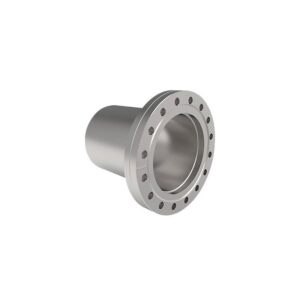
Custom aluminum forging flange should be selected around the complete assembly, with the controlling interfaces agreed before an order is released. The relevant product role is to connect equipment using a drawing-specific forged and machined component. For the buyer, the first decision is how the proposed component will meet that role in the actual equipment or installation. A nominal size or an attractive product image is useful context, but it does not resolve the fit, material and acceptance requirements.
This guide focuses on forging blank selection. The review needs to cover drawing revision, machining allowance, datum scheme and sealing geometry. The practical risk is that a near-net blank can leave too little material for a critical sealing face after heat treatment. Addressing that mechanism early makes quotations easier to compare and gives the sample review a clear purpose.
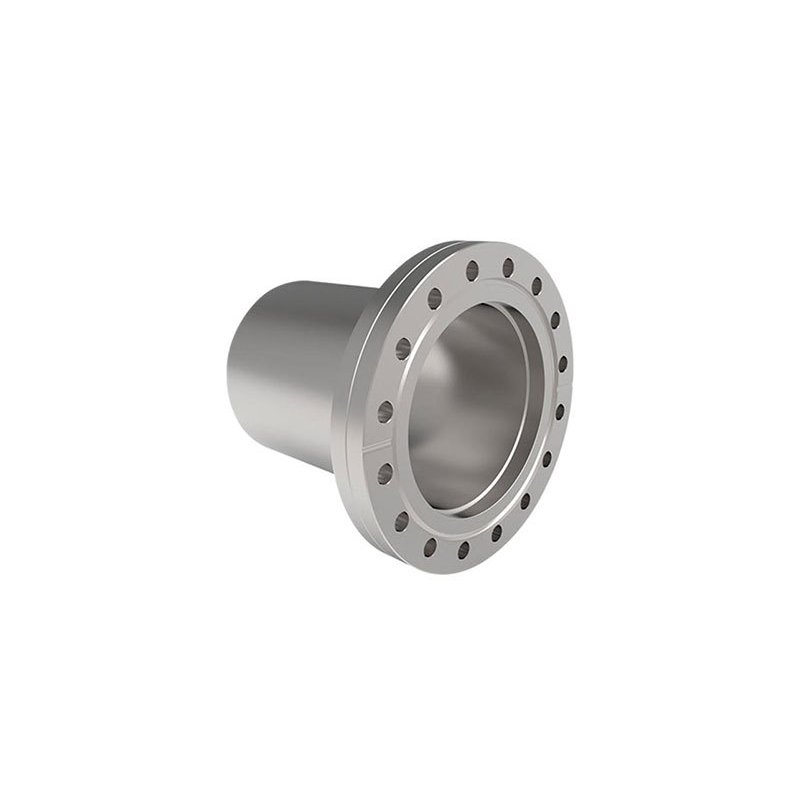
A review scenario for custom aluminum forging flange
Compare a simple ring blank with a stepped flange needing material around a hub. Agree the forging envelope before applying tight finished-part tolerances.
For custom aluminum forging flange, turn the comparison into a written decision record. List the proposed configuration and the alternative, then compare drawing revision, machining allowance, datum scheme and sealing geometry under the actual application conditions. Ask which requirements are already demonstrated and which still need a drawing review, a calculation or a sample trial. This keeps the choice tied to evidence rather than to a familiar product name.
Choose forging stock around the finished geometry
A forged route can be useful for ring and flange shapes, but the process name alone does not define the finished quality. For custom aluminum forging flange, discuss alloy, blank dimensions, forming route, heat treatment and the machining allowance together. Ask which records identify the material batch and which inspections apply to the supplied condition. Distinguish a forged blank from a fully machined component in both the quotation and receiving plan.
The custom aluminum forging flange blank drawing should reserve stock at critical faces, bores and hubs while avoiding unnecessary material removal. Review how the part will be located during machining and where process variation may consume allowance. Do not describe every forging as free from defects. Specify any required internal or surface examination, its acceptance basis and its timing in the process. This produces a verifiable order rather than a broad quality promise.
Review hub transitions and local section changes
A hub introduces a transition between the flange body and the connected member. In custom aluminum forging flange, the transition shape, bore and available machining stock can matter as much as the outside diameter. Abrupt section changes also influence manufacturing access and the location of inspection features. Put critical radii and finished surfaces on the drawing so the blank supplier and machinist work toward the same envelope.
Before approving custom aluminum forging flange, compare the proposed blank with the finished CAD model. Check the thinnest stock region after allowing for expected process variation and datum setup. A thicker blank can raise machining cost without improving the finished interface if material is placed in the wrong area. Conversely, a blank that is too close to final size can leave no room to correct distortion or achieve the required surface condition.
Compare total delivered cost and avoid hidden scope gaps
The cost of custom aluminum forging flange includes more than material weight or a unit price. Tooling, machining, finishing, inspection, packing, freight and rework exposure can change the practical comparison. Ask for a quotation that describes the supplied condition and any one-time charges. Compare the same technical scope and delivery basis before deciding which offer is more economical.
For custom aluminum forging flange, examine whether a simpler feature or a different stock length reduces waste without compromising function. Discuss order quantities and repeat demand honestly so the supplier can propose an appropriate route. Do not invent savings percentages from an untested design change. Instead, compare written alternatives against the approved requirements and account for the cost of new samples, tooling and validation where those are necessary.
Inspect hidden edges and cross-hole intersections
Visible exterior edges are easy to check, but custom aluminum forging flange can contain burrs inside bores, grooves and intersecting holes. Those burrs may interfere with seals, retain particles or prevent reliable assembly. Mark edge requirements on the drawing and distinguish a required radius from a general deburr instruction. Excessive edge rounding can be as problematic as leaving a sharp burr when the edge locates another component.
The inspection plan for custom aluminum forging flange should cover access to hidden regions using a suitable agreed method. Verify cleanliness after the final machining and finishing operations, since a clean blank can become contaminated later. For sensitive enclosure work, define packing and handling controls that preserve the accepted condition. A photograph of the outside face is helpful for appearance review but does not demonstrate that every internal edge has been examined.
Evaluate the environment and dissimilar-metal interfaces
The environment for custom aluminum forging flange includes the handled medium and the external exposure. Moisture, cleaning chemicals, salt contamination and contact with other metals can create different problems. List the actual exposure and the neighboring materials before selecting a finish. For mixed-metal assemblies, evaluate the complete contact arrangement and moisture path rather than assuming that an aluminum or stainless appearance guarantees compatibility.
An order for custom aluminum forging flange can specify isolating details or protective finishes where the design requires them, but those details must preserve the intended sealing, structural and electrical functions. Do not add insulating washers indiscriminately to a joint that depends on electrical continuity. Request an application-specific review and define maintenance access. A coating test report is useful evidence only for the coating system and conditions actually tested.
Define the operating case before choosing the connection
A specification for custom aluminum forging flange begins with the condition the connection must contain or transmit. Record the medium, normal operating temperature, pressure where applicable, start-up and shutdown conditions, and any external forces. Distinguish operating duty from a factory test condition. A component that survives one test is not automatically qualified for every service combination. The useful input is a controlled design basis that the responsible engineer can review, rather than a general statement that the service is demanding.
For custom aluminum forging flange, include the mating component and the rest of the joint in that review. Bolting, gasket, enclosure stiffness and installation access can change the practical result. If a replacement is requested from a photograph, obtain the original drawing or enough verified measurements to reconstruct the interface. Identify missing inputs before pricing a finished part, because an incomplete operating case cannot be repaired by selecting a more expensive material.
Measure rings around the full circumference
A single caliper reading cannot describe the complete geometry of a ring. For custom aluminum forging flange, inspect outside diameter, inside diameter, wall variation and ovality at enough positions to represent the drawing requirements. The inspection state also matters. A thin ring held in a fixture may appear round while its free-state shape differs. Agree how the ring is supported and where measurements are taken.
When custom aluminum forging flange is supplied as machining stock, map the minimum remaining allowance rather than relying only on an average diameter. Mark the datum and orientation used for the report so the machinist can reproduce it. If local stock is insufficient, machining the rest of the circumference more deeply does not solve the original shortage. Resolve the blank envelope before release and keep any accepted deviation tied to the exact part and revision.
Protect machined interfaces during shipment
Packaging for custom aluminum forging flange should protect the features that receiving inspection will rely on. Separate finished sealing faces, prevent metal-to-metal rubbing, restrain heavy pieces and keep identification readable. Choose packing materials compatible with the finish and the expected transit conditions. A protective film intended for a short indoor journey may be unsuitable for a long export shipment or for prolonged storage.
The packing specification for custom aluminum forging flange should state whether corrosion protection must be removed before assembly and how cleaning will be verified. Include lifting or handling instructions where the geometry makes damage likely. Photograph representative packed parts and label the package with part number, revision and lot. If a shipment arrives damaged, retain the packing evidence along with the component photographs to distinguish transport damage from an earlier manufacturing defect.
Evidence to compare for custom aluminum forging flange
| Decision | Incomplete basis | Evidence to request |
|---|---|---|
| Assembly interface | A nominal size or photograph | drawing revision, machining allowance, datum scheme and sealing geometry |
| Material and finish | A generic material name | Specified alloy or grade, condition and finish route |
| Sample release | Appearance alone | approved part drawing, blank drawing, process route and first-article report |
| Commercial comparison | Unit price without exclusions | Included processing, documents, packing and delivery basis |
The comparison is intended to guide a review of custom aluminum forging flange, not to supply a universal design value. Choose the acceptance basis from the actual project and keep it consistent across quotation, sample approval and receiving inspection. If the complete assembly needs performance validation, define that work separately from the supplier’s component measurements.
Request a review of custom aluminum forging flange
Beihaoli lists Custom Aluminum Forging Flange / Drawing Processing Aluminum Forgings in its catalogue. Use that page to explain the product family, then send the current drawing and application requirements for a configuration-specific review. For custom aluminum forging flange, highlight drawing revision, machining allowance, datum scheme and sealing geometry and include the evidence required for acceptance. Catalogue descriptions and photographs should not be treated as an order-specific capacity or certification statement.
The company’s manufacturing capabilities page describes forging, extrusion, machining, finishing and inspection support. Ask which operations and documents are included in the proposed custom aluminum forging flange supply route. Provide the required quantity, sample expectations and delivery destination so the response can address tooling, first-article work, packing and shipment planning on the same technical basis.
For independent background, consult the Aluminum Association processing overview. The process overview provides background. Product acceptance should follow the drawing, material requirements and agreed inspection plan.
Questions about custom aluminum forging flange
What information is needed to specify custom aluminum forging flange?
Provide the application, current drawing, material and supplied condition, dimensions, finish and quantity. For this interface, identify drawing revision, machining allowance, datum scheme and sealing geometry. Include the mating parts so fit is reviewed as an assembly.
Can custom aluminum forging flange be selected by appearance alone?
No. A photograph helps explain the shape but cannot establish tolerances, material, service limits or system qualification. In this application, a near-net blank can leave too little material for a critical sealing face after heat treatment. Request the relevant drawing and evidence.
Which evidence should accompany custom aluminum forging flange?
Agree an inspection package before ordering. Relevant inputs include approved part drawing, blank drawing, process route and first-article report. Material records and assembly trials answer different questions, so neither should be used as a substitute for the other.
When should buyers request a sample of custom aluminum forging flange?
Request a sample before batch release when a new interface, finish, tool or material is involved. Define the checks in advance and retain the accepted sample identity and drawing revision.
What should a quotation for custom aluminum forging flange include?
Ask for the supplied condition, included processing and inspection, packaging, quantity basis and order-specific delivery plan. Have deviations and exclusions listed explicitly so competing offers can be compared on the same scope.