Table of Contents
Solar panel frame aluminum profiles should be selected around the complete assembly, with the controlling interfaces agreed before an order is released. The relevant product role is to form the perimeter interface around a photovoltaic module laminate. For the buyer, the first decision is how the proposed component will meet that role in the actual equipment or installation. A nominal size or an attractive product image is useful context, but it does not resolve the fit, material and acceptance requirements.
This guide focuses on frame pocket selection. The review needs to cover glass pocket, corner key engagement, sealant path and drain openings. The practical risk is that a well-finished frame can still stress the laminate if the pocket or corner assembly is incorrect. Addressing that mechanism early makes quotations easier to compare and gives the sample review a clear purpose.
A review scenario for solar panel frame aluminum profiles
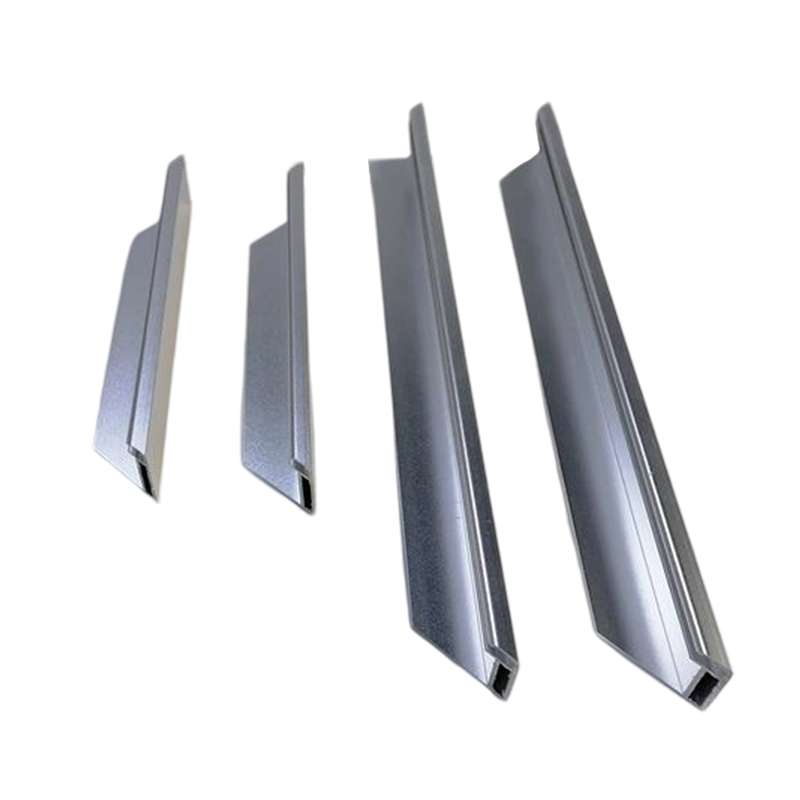
Build a sample corner using the actual key and the specified laminate stack. Inspect the inside pocket after corner assembly rather than approving four separate lengths.
For solar panel frame aluminum profiles, turn the comparison into a written decision record. List the proposed configuration and the alternative, then compare glass pocket, corner key engagement, sealant path and drain openings under the actual application conditions. Ask which requirements are already demonstrated and which still need a drawing review, a calculation or a sample trial. This keeps the choice tied to evidence rather than to a familiar product name.
Coordinate glass support and retention
Glazed assemblies made with solar panel frame aluminum profiles need the glass thickness, pocket geometry, setting blocks, gaskets and retention method to be reviewed together. Glass should be supported and retained according to the system design. A frame that accepts the nominal glass thickness may still impose local edge contact or inadequate engagement after tolerances and finishing are included.
For solar panel frame aluminum profiles, build the sample with the actual glazing stack and sealing components. Check corners, drainage and the location of supports. Keep a dimensional fit check separate from any required safety-glazing or whole-system performance evidence. If the infill is changed from glass to another panel material, revisit expansion, thickness and retention rather than assuming that a matching nominal size makes the change harmless.
Choose a section from the assembly requirements
The best starting point for solar panel frame aluminum profiles are the assembled function rather than the heaviest-looking cross-section. Identify the supported load, span, mating parts, movement and installation envelope. Then compare candidate sections for the actual orientation and connections. A profile that looks substantial in a photograph may place material where it contributes little to the required stiffness or interferes with a neighboring component.
For solar panel frame aluminum profiles, obtain a dimensioned section drawing and identify the features that determine fit. Include internal cavities, grooves and the available wall around fasteners. If a catalogue section is modified, review whether the new feature can be extruded directly or requires secondary machining. Keep the extrusion envelope separate from finished-part details so the quotation covers the complete component rather than only the raw length.
Compare total delivered cost and avoid hidden scope gaps
The cost of solar panel frame aluminum profiles include more than material weight or a unit price. Tooling, machining, finishing, inspection, packing, freight and rework exposure can change the practical comparison. Ask for a quotation that describes the supplied condition and any one-time charges. Compare the same technical scope and delivery basis before deciding which offer is more economical.
For solar panel frame aluminum profiles, examine whether a simpler feature or a different stock length reduces waste without compromising function. Discuss order quantities and repeat demand honestly so the supplier can propose an appropriate route. Do not invent savings percentages from an untested design change. Instead, compare written alternatives against the approved requirements and account for the cost of new samples, tooling and validation where those are necessary.
Create an inspection plan before the batch is made
An inspection plan for solar panel frame aluminum profiles links each requirement to a method, acceptance criterion and record. Identify critical features, material evidence, finish checks and any functional trial. Agree the sampling or inspection extent based on the project requirements and risk. A generic final-inspection statement does not show whether the features that matter to the buyer will actually be checked.
For solar panel frame aluminum profiles, decide which stages need review before later processing hides or changes the feature. Examples include material identity before mixing lots and groove condition before assembly. Define how deviations are recorded and who can accept them. Receiving teams should use the same acceptance basis as the supplier, so an otherwise preventable disagreement is not discovered only after the shipment arrives.
Retain a repeat-order specification
A repeat-order package for solar panel frame aluminum profiles should preserve the approved drawing, material and finish, sample references, inspection requirements and known mating interfaces. Include the final accepted deviations only with their documented limits. A saved purchase-order number is useful, but it may not capture a change agreed during sample review or the exact configuration delivered.
For solar panel frame aluminum profiles, keep spare-part identity separate from a generic product family name. Confirm whether a replacement must match appearance, geometry, material condition or all three. Review any obsolete hardware or seal before copying an old order. Clear retained records reduce the need to reverse-engineer a worn component and make supplier comparisons more reliable when the original source is unavailable.
Include anodizing in the dimensional plan
Anodizing affects the finished surface and can influence the fit of solar panel frame aluminum profiles at narrow grooves, threads and close-clearance interfaces. Mark functional areas that need masking or a controlled finished dimension. Agree appearance and process requirements before approving the die or machining route, since reworking a finished part can expose bare metal or create a visible mismatch.
A sample of solar panel frame aluminum profiles should represent the same alloy, pretreatment and anodizing route planned for production. Differences in material or surface preparation can alter appearance even when the nominal color is unchanged. State any required coating inspection and the acceptance location. Do not infer outdoor service life from appearance alone or apply a coating report from an unrelated system to the current order.
Design corner joints as part of the frame
Corner quality in solar panel frame aluminum profiles depends on end preparation, connector engagement, fasteners and frame geometry. A neatly cut miter can still open if the connector lacks adequate bearing or the frame is forced out of square during installation. Show the joint detail and assembly sequence on the drawing. Include any adhesive, sealant or gasket that forms part of the intended connection.
A sample of solar panel frame aluminum profiles should include a complete corner with the production finish. Measure diagonals and check the visible joint after assembly and any agreed operating trial. Keep decorative gap acceptance separate from structural or sealing requirements. If the connector changes, review the joint again rather than assuming that a component with similar external dimensions provides equivalent engagement.
Specify wall thickness with location and tolerance
A single nominal wall thickness is not a complete description of solar panel frame aluminum profiles. Extruded sections can have several walls with different functions, and the critical location may be a screw attachment or narrow groove rather than the largest flat wall. Mark the controlled dimensions on the section drawing. Agree the applicable tolerance basis and identify any tighter features requiring separate machining or inspection.
For solar panel frame aluminum profiles, inspection should sample the locations that affect function and use a suitable measurement method for their accessibility. Avoid judging an entire section from one convenient caliper point. Where coating is applied, state whether the requirement refers to bare metal or finished dimensions. Increasing every wall to solve one local problem may add weight and cost without correcting the actual attachment or geometry issue.
Evidence to compare for solar panel frame aluminum profiles
| Decision | Incomplete basis | Evidence to request |
|---|---|---|
| Assembly interface | A nominal size or photograph | glass pocket, corner key engagement, sealant path and drain openings |
| Material and finish | A generic material name | Specified alloy or grade, condition and finish route |
| Sample release | Appearance alone | module assembly drawing, corner trial record and pocket measurements |
| Commercial comparison | Unit price without exclusions | Included processing, documents, packing and delivery basis |
The comparison is intended to guide a review of solar panel frame aluminum profiles, not to supply a universal design value. Choose the acceptance basis from the actual project and keep it consistent across quotation, sample approval and receiving inspection. If the complete assembly needs performance validation, define that work separately from the supplier’s component measurements.
Request a review of solar panel frame aluminum profiles
Beihaoli lists Solar Panel Frame Aluminum Profiles in its catalogue. Use that page to explain the product family, then send the current drawing and application requirements for a configuration-specific review. For solar panel frame aluminum profiles, highlight glass pocket, corner key engagement, sealant path and drain openings and include the evidence required for acceptance. Catalogue descriptions and photographs should not be treated as an order-specific capacity or certification statement.
The company’s manufacturing capabilities page describes forging, extrusion, machining, finishing and inspection support. Ask which operations and documents are included in the proposed solar panel frame aluminum profiles supply route. Provide the required quantity, sample expectations and delivery destination so the response can address tooling, first-article work, packing and shipment planning on the same technical basis.
For independent background, consult the U.S. Department of Energy photovoltaic system design overview. Use this overview for system context. Project-specific structural, module and electrical requirements still need their own evidence.
Questions about solar panel frame aluminum profiles
What information is needed to specify solar panel frame aluminum profiles?
Provide the application, current drawing, material and supplied condition, dimensions, finish and quantity. For this interface, identify glass pocket, corner key engagement, sealant path and drain openings. Include the mating parts so fit is reviewed as an assembly.
Can solar panel frame aluminum profiles be selected by appearance alone?
No. A photograph helps explain the shape but cannot establish tolerances, material, service limits or system qualification. In this application, a well-finished frame can still stress the laminate if the pocket or corner assembly is incorrect. Request the relevant drawing and evidence.
Which evidence should accompany solar panel frame aluminum profiles?
Agree an inspection package before ordering. Relevant inputs include module assembly drawing, corner trial record and pocket measurements. Material records and assembly trials answer different questions, so neither should be used as a substitute for the other.
When should buyers request a sample of solar panel frame aluminum profiles?
Request a sample before batch release when a new interface, finish, tool or material is involved. Define the checks in advance and retain the accepted sample identity and drawing revision.
What should a quotation for solar panel frame aluminum profiles include?
Ask for the supplied condition, included processing and inspection, packaging, quantity basis and order-specific delivery plan. Have deviations and exclusions listed explicitly so competing offers can be compared on the same scope.