Table of Contents
Aluminum high hub flange should be selected around the complete assembly, with the controlling interfaces agreed before an order is released. The relevant product role is to provide a raised hub geometry at a drawing-defined equipment or pipe interface. For the buyer, the first decision is how the proposed component will meet that role in the actual equipment or installation. A nominal size or an attractive product image is useful context, but it does not resolve the fit, material and acceptance requirements.
This guide focuses on hub and standard selection. The review needs to cover hub transition, bore, connection geometry and applicable standard part. The practical risk is that a familiar European bolt pattern does not establish the correct material-specific standard or rating. Addressing that mechanism early makes quotations easier to compare and gives the sample review a clear purpose.
A review scenario for aluminum high hub flange
Compare the mating steel part with the proposed aluminum flange using dimensions and material-specific requirements. Do not assume that EN 1092-1 steel rules rate the aluminum component.
For aluminum high hub flange, turn the comparison into a written decision record. List the proposed configuration and the alternative, then compare hub transition, bore, connection geometry and applicable standard part under the actual application conditions. Ask which requirements are already demonstrated and which still need a drawing review, a calculation or a sample trial. This keeps the choice tied to evidence rather than to a familiar product name.
Avoid steel-to-aluminum standard shortcuts
An order for aluminum high hub flange using an EN flange reference must identify the material-specific part and its scope. EN 1092-1 concerns steel flanges, while the series uses other parts for other materials, including aluminum alloy. A shared nominal diameter or a compatible drilling pattern does not mean the material-specific rating and manufacturing requirements are interchangeable.
Before accepting aluminum high hub flange, compare the designated part, edition, flange type and mating dimensions. If the product follows a customer drawing instead, state which standardized dimensions are adopted and which features are engineered separately. Ask for evidence for the supplied material and condition. This is particularly useful when a quotation says only DIN or European standard, because that description leaves too much of the technical contract undefined.
Review hub transitions and local section changes
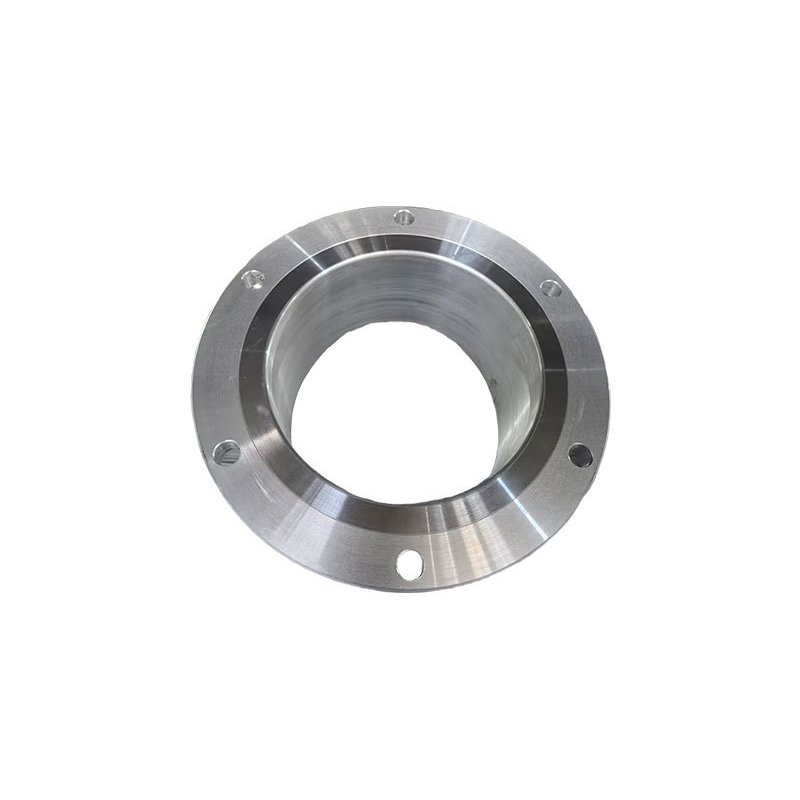
A hub introduces a transition between the flange body and the connected member. In aluminum high hub flange, the transition shape, bore and available machining stock can matter as much as the outside diameter. Abrupt section changes also influence manufacturing access and the location of inspection features. Put critical radii and finished surfaces on the drawing so the blank supplier and machinist work toward the same envelope.
Before approving aluminum high hub flange, compare the proposed blank with the finished CAD model. Check the thinnest stock region after allowing for expected process variation and datum setup. A thicker blank can raise machining cost without improving the finished interface if material is placed in the wrong area. Conversely, a blank that is too close to final size can leave no room to correct distortion or achieve the required surface condition.
Control drawing and process changes
A repeat order for aluminum high hub flange should begin by confirming the current drawing and sample references. Small changes in hole position, coating, gasket or material condition can affect an established interface. Use a revision log that describes the changed features and identifies the approval authority. Avoid relying on a new file name or a message that says to use the latest version.
For aluminum high hub flange, review work in progress when a change is released. Decide whether existing parts remain acceptable, require rework or must be segregated. Update inspection fixtures and packing labels along with the manufacturing drawing. A supplier can produce the new geometry correctly and still ship a mixed revision if inventory controls are overlooked. Keep the final agreement attached to the purchase order and batch release record.
Record deviations without losing the original requirement
When aluminum high hub flange does not meet a drawing or purchase-order requirement, record the measured condition, affected quantity and identification before proposing a disposition. Keep the original limit visible alongside the actual result. This lets the responsible reviewer distinguish a minor appearance issue from a dimensional or material deviation that may change function.
An aluminum high hub flange concession should identify the exact parts, revision, permitted use and approval. Acceptance of one batch should not silently alter the requirement for all future orders. If rework is approved, define the process and any repeat inspection needed. Segregate the affected material until the decision is complete, and update the cause and corrective action so the same deviation is less likely to recur.
Resolve alignment before tightening the joint
An assembly trial for aluminum high hub flange should check parallelism, center location and the intended gap before the fasteners are fully tightened. If the joint closes unevenly, investigate the mating geometry and support condition. Tightening harder can conceal a fit problem while increasing stress in the parts or gasket. Record the free alignment condition so later inspectors can distinguish an original mismatch from handling damage.
For repeat aluminum high hub flange orders, use the approved trial to define a reproducible interface check. Include any orientation features, spacers and temporary assembly tools in the work instruction. A fixture should represent the actual locating scheme rather than forcing every sample into an ideal position. If the equipment drawing changes, review the fixture as well, because a gauge built for an earlier revision can approve parts that no longer fit.
Plan maintenance access and replacement identity
Service planning for aluminum high hub flange should begin before the connection is installed. Show the space needed to remove fasteners, withdraw a cover and replace a gasket without damaging neighboring equipment. Identify any orientation that must be preserved. A connection can be manufacturable and dimensionally correct yet remain expensive to maintain if access is blocked by later-installed pipework or panels.
For a spare aluminum high hub flange, retain the approved drawing revision, material specification and critical interface records. Ordering from an old photograph can lose details such as face type, groove geometry or hole orientation. Keep replacement seals and fasteners identified separately where their specifications differ. After a maintenance change, update the equipment records rather than allowing the next buyer to repeat an undocumented modification.
Write the standard, part and edition explicitly
Standards serve different purposes. A material specification identifies material requirements, while a flange standard may address geometry and ratings within its scope. A piping code addresses the wider system. For aluminum high hub flange, listing these references in separate purchase-order fields prevents a material name from being treated as a complete component specification. Name the edition required by the project instead of assuming every supplier uses the same revision.
For aluminum high hub flange made in aluminum, check the material scope of every reference before using a familiar steel designation. In the EN 1092 series, material-specific parts must be distinguished. A statement such as European standard is too broad to define the interface. If the design is drawing-controlled, say which dimensions follow the standard and which are custom. Request written clarification of conflicts between the drawing and a referenced document before manufacture begins.
Define what a test result actually establishes
A test plan for aluminum high hub flange needs a method, acceptance criterion, test condition and responsible party. Distinguish material testing, dimensional inspection, nondestructive examination, leak testing and pressure testing. These methods answer different questions. Passing a leak test does not identify the alloy, and a dimensional report does not establish a pressure rating. Specify the evidence needed for each requirement in the inspection plan.
For aluminum high hub flange, agree when tests occur and how the tested item is linked to the delivered item. A report for a different size or assembly may not represent the current order. Tests involving stored energy require an approved procedure and competent personnel. Keep article-level purchasing guidance separate from operational instructions: the buyer should request the appropriate validated method rather than improvising a pressure or gas test from general advice.
Evidence to compare for aluminum high hub flange
| Decision | Incomplete basis | Evidence to request |
|---|---|---|
| Assembly interface | A nominal size or photograph | hub transition, bore, connection geometry and applicable standard part |
| Material and finish | A generic material name | Specified alloy or grade, condition and finish route |
| Sample release | Appearance alone | specified standard part and edition, hub drawing and mating-interface review |
| Commercial comparison | Unit price without exclusions | Included processing, documents, packing and delivery basis |
The comparison is intended to guide a review of aluminum high hub flange, not to supply a universal design value. Choose the acceptance basis from the actual project and keep it consistent across quotation, sample approval and receiving inspection. If the complete assembly needs performance validation, define that work separately from the supplier’s component measurements.
Request a review of aluminum high hub flange
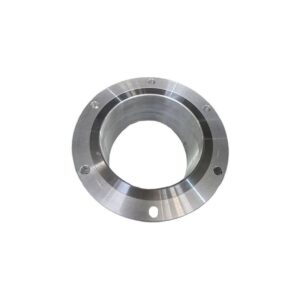
Beihaoli lists European Standard Aluminum Alloy High Hub Flange in its catalogue. Use that page to explain the product family, then send the current drawing and application requirements for a configuration-specific review. For aluminum high hub flange, highlight hub transition, bore, connection geometry and applicable standard part and include the evidence required for acceptance. Catalogue descriptions and photographs should not be treated as an order-specific capacity or certification statement.
The company’s manufacturing capabilities page describes forging, extrusion, machining, finishing and inspection support. Ask which operations and documents are included in the proposed aluminum high hub flange supply route. Provide the required quantity, sample expectations and delivery destination so the response can address tooling, first-article work, packing and shipment planning on the same technical basis.
For independent background, consult the Aluminum Association processing overview. The process overview provides background. Product acceptance should follow the drawing, material requirements and agreed inspection plan.
Questions about aluminum high hub flange
What information is needed to specify aluminum high hub flange?
Provide the application, current drawing, material and supplied condition, dimensions, finish and quantity. For this interface, identify hub transition, bore, connection geometry and applicable standard part. Include the mating parts so fit is reviewed as an assembly.
Can aluminum high hub flange be selected by appearance alone?
No. A photograph helps explain the shape but cannot establish tolerances, material, service limits or system qualification. In this application, a familiar European bolt pattern does not establish the correct material-specific standard or rating. Request the relevant drawing and evidence.
Which evidence should accompany aluminum high hub flange?
Agree an inspection package before ordering. Relevant inputs include specified standard part and edition, hub drawing and mating-interface review. Material records and assembly trials answer different questions, so neither should be used as a substitute for the other.
When should buyers request a sample of aluminum high hub flange?
Request a sample before batch release when a new interface, finish, tool or material is involved. Define the checks in advance and retain the accepted sample identity and drawing revision.
What should a quotation for aluminum high hub flange include?
Ask for the supplied condition, included processing and inspection, packaging, quantity basis and order-specific delivery plan. Have deviations and exclusions listed explicitly so competing offers can be compared on the same scope.