Table of Contents
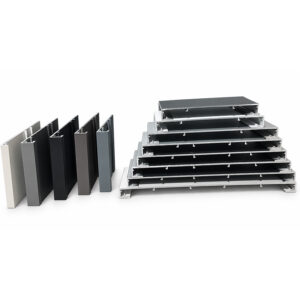
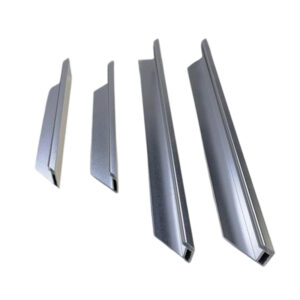
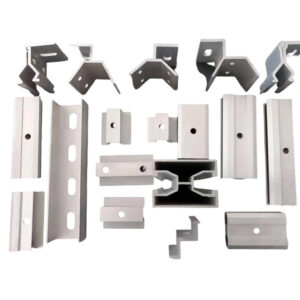
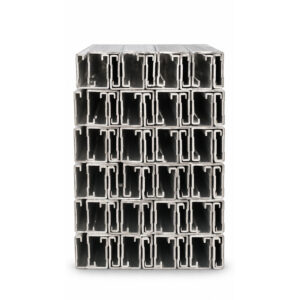
Solar bracket column profiles should be selected around the complete assembly, with the controlling interfaces agreed before an order is released. The relevant product role is to support a photovoltaic rack above its foundation or roof interface. For the buyer, the first decision is how the proposed component will meet that role in the actual equipment or installation. A nominal size or an attractive product image is useful context, but it does not resolve the fit, material and acceptance requirements.
This guide focuses on column section selection. The review needs to cover base connection, unsupported height, wall geometry and beam attachment. The practical risk is that increasing column height without revisiting stiffness can change the rack response even when the cross-section is unchanged. Addressing that mechanism early makes quotations easier to compare and gives the sample review a clear purpose.
A review scenario for solar bracket column profiles
Review a column extension request by checking both the new unsupported height and the revised beam connection elevation. Treat the extension as a design change.
For solar bracket column profiles, turn the comparison into a written decision record. List the proposed configuration and the alternative, then compare base connection, unsupported height, wall geometry and beam attachment under the actual application conditions. Ask which requirements are already demonstrated and which still need a drawing review, a calculation or a sample trial. This keeps the choice tied to evidence rather than to a familiar product name.
Separate strength from acceptable deflection
A member made from solar bracket column profiles may remain below a strength limit yet deflect enough to affect a door, shelf, panel or track. Record the clear span, support condition, load location and permitted movement. The section orientation matters because bending stiffness depends on how the geometry is arranged relative to the load. Avoid comparing candidates by weight per length alone.
For solar bracket column profiles, ask the responsible designer to evaluate the assembled member and its connections. A center support, splice or bracket change can alter performance more than a small increase in wall thickness. Trial loading should use an agreed method and acceptance criterion. Do not translate an informal demonstration into a general load rating, particularly when customers use different spans or attachment substrates.
Review the solar rack load path
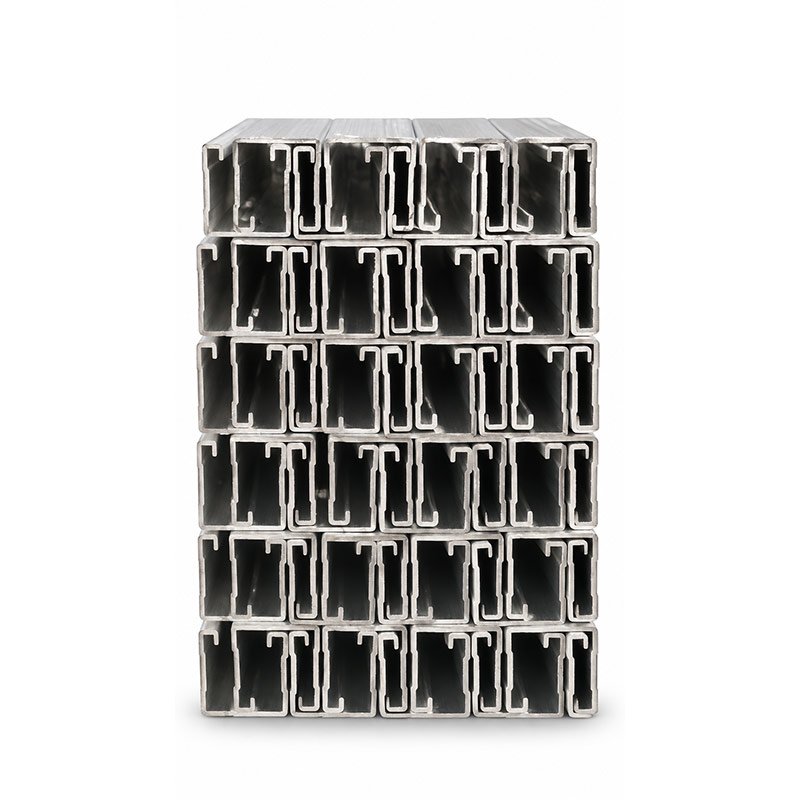
In a solar mounting application, solar bracket column profiles are part of a load path running from the module through clamps, rails, connections and supports to the foundation or roof. The project designer must consider the site actions and combinations required for that installation. A profile supplier’s catalogue description does not establish the capacity of every possible rack layout.
For solar bracket column profiles, provide the module arrangement, support spacing, orientation and connection details with the inquiry. Identify whether the section is continuous or spliced. Review changes in tilt, height and roof zone as project changes. Keep the approved calculation and assembly drawing linked to the supplied parts so an installer does not extend a span or move a support based only on the apparent stiffness of the extrusion.
Keep material and production lots traceable
Traceability for solar bracket column profiles means that delivered parts can be linked to the agreed material and production records. Define the level required by the project, such as a heat, batch or individually identified part. Make the identification durable enough for manufacturing and receiving while respecting cosmetic or functional surfaces. A certificate without a reliable link to the shipment is difficult to use.
For solar bracket column profiles, keep packing labels, inspection reports and material records consistent in part number and revision. If several lots are combined, preserve the distinctions rather than issuing an ambiguous summary. A traceability plan helps contain a later issue by identifying which pieces share the relevant process history. It should be established before production, when records can still be collected accurately.
Record deviations without losing the original requirement
When solar bracket column profiles does not meet a drawing or purchase-order requirement, record the measured condition, affected quantity and identification before proposing a disposition. Keep the original limit visible alongside the actual result. This lets the responsible reviewer distinguish a minor appearance issue from a dimensional or material deviation that may change function.
A solar bracket column profiles concession should identify the exact parts, revision, permitted use and approval. Acceptance of one batch should not silently alter the requirement for all future orders. If rework is approved, define the process and any repeat inspection needed. Segregate the affected material until the decision is complete, and update the cause and corrective action so the same deviation is less likely to recur.
Approve finish against a controlled sample
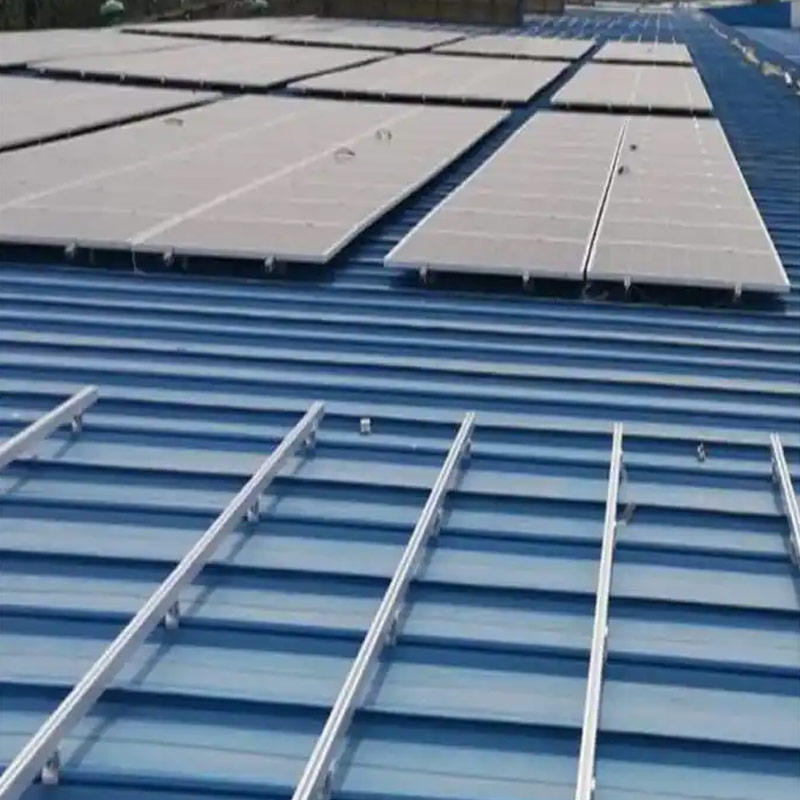
Surface approval for solar bracket column profiles need more than a color name. Agree the finish process, color reference, gloss or texture where relevant, visible faces and viewing conditions. A limit sample can help define acceptable minor marks, but it should be identified and protected. Inspect actual assembled sightlines because surfaces that are hidden on one product may be prominent on another.
For solar bracket column profiles, distinguish cosmetic acceptance from functional coating requirements. Thickness, adhesion or sealing tests must be specified separately where required, with an agreed method and acceptance basis. Keep batches traceable when neighboring components must match visually. A digital photograph is useful for communication, but lighting and display settings can conceal a mismatch, so final appearance decisions should rely on the approved physical reference or agreed measurement.
Approve a representative full assembly
Small swatches and short samples are useful, but they cannot show every interaction in solar bracket column profiles. Choose a mock-up that includes the critical span, corner, infill, hardware and finishing detail. Define the trial objective before building it. A sample intended to approve color should not silently become the only evidence for movement, load or sealing performance.
For solar bracket column profiles, record the exact components and drawing revision used in the mock-up. Photograph relevant details and retain measurements for the critical interfaces. If production uses a different gasket, fastener or alloy, review the effect on the accepted assembly. This keeps sample approval useful throughout the order and prevents a visually similar prototype from concealing changes that affect function.
Locate and validate splices deliberately
A transport-length member of solar bracket column profiles may need a splice, but a splice is a connection detail with its own force-transfer and movement requirements. Identify its position relative to supports and loads. Show connector overlap, fasteners and the section orientation. Two pieces joined into a straight line are not automatically equivalent to one continuous extrusion.
For solar bracket column profiles, the designer should define the permitted splice arrangement and any required validation. Inspect the holes and mating fit using the production connector. Include installation access and identification so the correct detail is used on site. If the shipping length changes, review the splice plan before cutting stock. A transport decision can otherwise create an unreviewed structural change in the final assembly.
Specify wall thickness with location and tolerance
A single nominal wall thickness is not a complete description of solar bracket column profiles. Extruded sections can have several walls with different functions, and the critical location may be a screw attachment or narrow groove rather than the largest flat wall. Mark the controlled dimensions on the section drawing. Agree the applicable tolerance basis and identify any tighter features requiring separate machining or inspection.
For solar bracket column profiles, inspection should sample the locations that affect function and use a suitable measurement method for their accessibility. Avoid judging an entire section from one convenient caliper point. Where coating is applied, state whether the requirement refers to bare metal or finished dimensions. Increasing every wall to solve one local problem may add weight and cost without correcting the actual attachment or geometry issue.
Evidence to compare for solar bracket column profiles
| Decision | Incomplete basis | Evidence to request |
|---|---|---|
| Assembly interface | A nominal size or photograph | base connection, unsupported height, wall geometry and beam attachment |
| Material and finish | A generic material name | Specified alloy or grade, condition and finish route |
| Sample release | Appearance alone | column and base drawings, project load review and dimensional report |
| Commercial comparison | Unit price without exclusions | Included processing, documents, packing and delivery basis |
The comparison is intended to guide a review of solar bracket column profiles, not to supply a universal design value. Choose the acceptance basis from the actual project and keep it consistent across quotation, sample approval and receiving inspection. If the complete assembly needs performance validation, define that work separately from the supplier’s component measurements.
Request a review of solar bracket column profiles
Beihaoli lists Solar Bracket Column Profiles in its catalogue. Use that page to explain the product family, then send the current drawing and application requirements for a configuration-specific review. For solar bracket column profiles, highlight base connection, unsupported height, wall geometry and beam attachment and include the evidence required for acceptance. Catalogue descriptions and photographs should not be treated as an order-specific capacity or certification statement.
The company’s manufacturing capabilities page describes forging, extrusion, machining, finishing and inspection support. Ask which operations and documents are included in the proposed solar bracket column profiles supply route. Provide the required quantity, sample expectations and delivery destination so the response can address tooling, first-article work, packing and shipment planning on the same technical basis.
For independent background, consult the U.S. Department of Energy photovoltaic system design overview. Use this overview for system context. Project-specific structural, module and electrical requirements still need their own evidence.
Questions about solar bracket column profiles
What information is needed to specify solar bracket column profiles?
Provide the application, current drawing, material and supplied condition, dimensions, finish and quantity. For this interface, identify base connection, unsupported height, wall geometry and beam attachment. Include the mating parts so fit is reviewed as an assembly.
Can solar bracket column profiles be selected by appearance alone?
No. A photograph helps explain the shape but cannot establish tolerances, material, service limits or system qualification. In this application, increasing column height without revisiting stiffness can change the rack response even when the cross-section is unchanged. Request the relevant drawing and evidence.
Which evidence should accompany solar bracket column profiles?
Agree an inspection package before ordering. Relevant inputs include column and base drawings, project load review and dimensional report. Material records and assembly trials answer different questions, so neither should be used as a substitute for the other.
When should buyers request a sample of solar bracket column profiles?
Request a sample before batch release when a new interface, finish, tool or material is involved. Define the checks in advance and retain the accepted sample identity and drawing revision.
What should a quotation for solar bracket column profiles include?
Ask for the supplied condition, included processing and inspection, packaging, quantity basis and order-specific delivery plan. Have deviations and exclusions listed explicitly so competing offers can be compared on the same scope.