Table of Contents
Hand hole flange should be selected around the complete assembly, with the controlling interfaces agreed before an order is released. The relevant product role is to provide a removable small access opening in equipment. For the buyer, the first decision is how the proposed component will meet that role in the actual equipment or installation. A nominal size or an attractive product image is useful context, but it does not resolve the fit, material and acceptance requirements.
This guide focuses on access opening selection. The review needs to cover clear opening, gasket seating, cover attachment and maintenance reach. The practical risk is that a pressure-tight cover can still be impractical if tools or hands cannot access the fasteners. Addressing that mechanism early makes quotations easier to compare and gives the sample review a clear purpose.
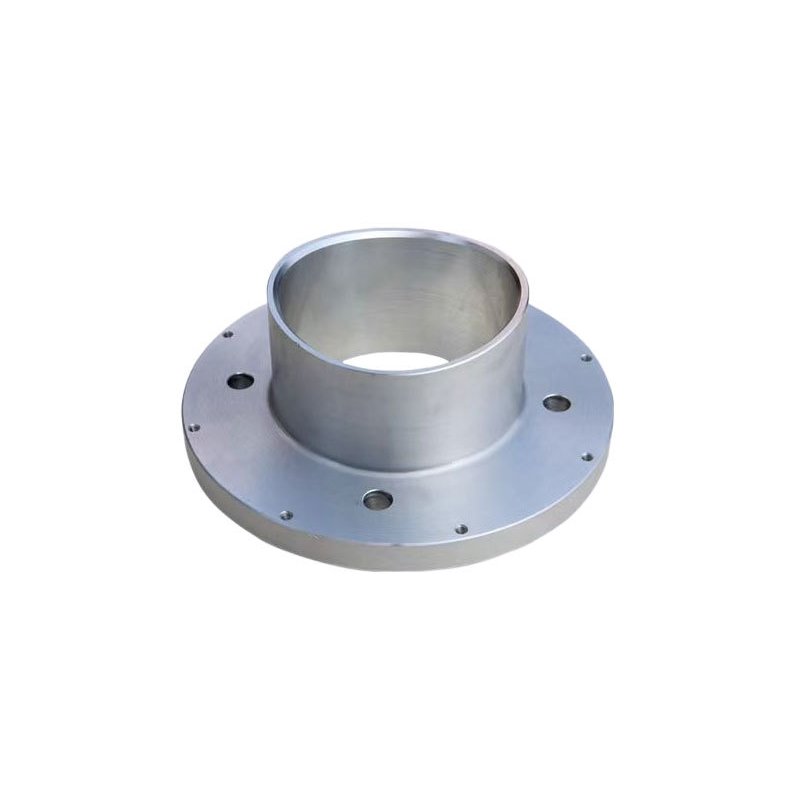
A review scenario for hand hole flange
Create a maintenance-access sketch with the surrounding pipework shown. Check removal space as well as the clear opening before approving the position.
For hand hole flange, turn the comparison into a written decision record. List the proposed configuration and the alternative, then compare clear opening, gasket seating, cover attachment and maintenance reach under the actual application conditions. Ask which requirements are already demonstrated and which still need a drawing review, a calculation or a sample trial. This keeps the choice tied to evidence rather than to a familiar product name.
Define the usable access opening
The useful opening in hand hole flange is the space available after the cover, gasket and nearby equipment are considered. A nominal hole diameter does not describe hand access, tool reach or cover removal clearance. Sketch the actual maintenance task and identify the object or tool that must pass through the opening. This helps avoid choosing an access flange based only on a catalogue name.
For hand hole flange, coordinate the closure with the equipment design and approved duty. Check fastener access around the whole perimeter and confirm where the removed cover can be supported. If a larger opening is proposed later, review the surrounding structure and sealing arrangement instead of enlarging the cutout informally. Preserve the original drawing and update the maintenance record when an approved change is implemented.
Select the gasket as part of the joint
A hand hole flange joint relies on compatible sealing geometry, gasket material and assembly conditions. Begin with the fluid or gas, temperature range, face arrangement and the gasket manufacturer’s limitations. Record the intended gasket dimensions and whether the joint uses a sheet gasket, a shaped seal or a drawing-specific groove. Avoid selecting only by nominal pipe size, since the actual seating area controls how the seal is supported.
Before accepting hand hole flange, compare the gasket footprint with the flange face and the mating part. A seal that overhangs a bore or approaches a hole may require a different detail. Installation instructions should address cleanliness, handling and replacement rules. Do not combine an unfamiliar gasket with a borrowed torque value from another joint. Obtain the approved assembly procedure for the exact bolting, lubrication and gasket combination.
Assign tight tolerances to functional features
Tolerances for hand hole flange should follow the function and manufacturing route. Identify the dimensions that control fit, sealing, movement or load transfer, then consider how their variation accumulates with the mating parts. Tightening every dimension can increase cost while leaving the important stack unresolved. A clear datum scheme and a few justified critical limits are often more useful than a drawing filled with unexplained precision.
For hand hole flange, agree the measurement method and final processing state for each critical feature. A dimension measured before coating or in a fixture may not represent its delivered condition. Review the complete stack with the buyer’s parts and document any assumptions. If the required tolerance cannot be achieved economically through the original route, compare a design adjustment with a targeted secondary operation before changing the entire specification.
Specify sealing-face condition in measurable terms
The sealing face is an active interface, not a cosmetic surface. For hand hole flange, define the face type, flatness, finish requirement and protected areas with reference to the selected gasket or equipment seal. An attractive polished face is not automatically the correct finish. Inspection should distinguish scratches crossing a sealing land from marks on a nonfunctional outer surface, because their consequences differ.
The drawing for hand hole flange should state whether measurements apply before or after coating and how the part is supported during inspection. Protect an approved face during storage, handling and transport. If a face is damaged, record the defect and evaluate the remaining material before proposing re-machining. Removing material can affect thickness, groove depth and joint geometry. A repair decision therefore needs both dimensional evidence and approval for the intended duty.
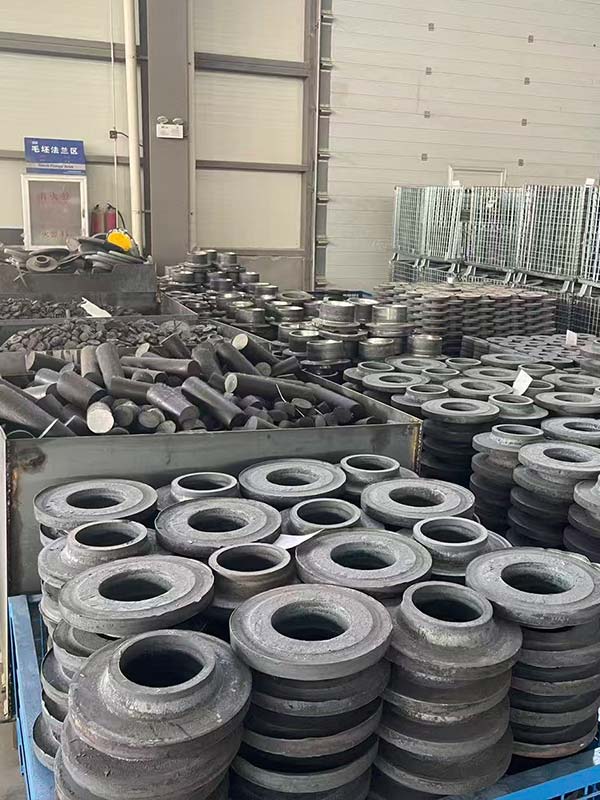
Review hub transitions and local section changes
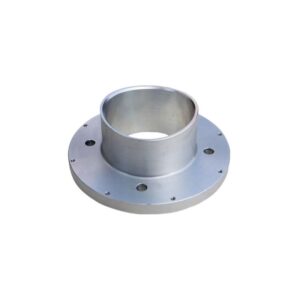
A hub introduces a transition between the flange body and the connected member. In hand hole flange, the transition shape, bore and available machining stock can matter as much as the outside diameter. Abrupt section changes also influence manufacturing access and the location of inspection features. Put critical radii and finished surfaces on the drawing so the blank supplier and machinist work toward the same envelope.
Before approving hand hole flange, compare the proposed blank with the finished CAD model. Check the thinnest stock region after allowing for expected process variation and datum setup. A thicker blank can raise machining cost without improving the finished interface if material is placed in the wrong area. Conversely, a blank that is too close to final size can leave no room to correct distortion or achieve the required surface condition.
Investigate leakage with location-based evidence
When hand hole flange is associated with a leak, start by preserving the assembly condition and locating the leakage path through the approved procedure. Record the joint orientation, gasket identification, fastener condition and recent changes. A leak at one corner or sector can point toward a different mechanism from uniform leakage around a joint. Avoid replacing several variables at once if the aim is to identify the cause.
Inspect hand hole flange after the equipment has been placed in the approved safe state. Compare the face and groove measurements with the drawing, and examine the removed seal for local damage or uneven contact. Check the mating part and installation alignment as well. If a repair or material change is proposed, evaluate it against the original duty and document the decision. A successful reassembly trial should not erase the evidence from the initial failure.
Include external forces and connection stiffness
Internal pressure is not the only action that may affect hand hole flange. Connected pipework, enclosure weight, thermal movement, vibration and mounting eccentricity can impose additional demands. Show the neighboring supports and restraints on the layout. A component chosen only from a nominal pressure label may be inappropriate if the connected assembly applies substantial moments or uneven loads.
For hand hole flange, the responsible designer should review how those actions reach the flange and its fasteners. Keep assumptions about support positions and allowable movement with the approved drawing. During installation, do not use the bolts to pull severely misaligned components into place. Record the mismatch and correct its source through the approved procedure. Otherwise, the assembled joint may contain an unreviewed preload before normal operation even begins.
Coordinate the flange with the approved welding route
A welded hand hole flange connection needs agreement on the flange material, connected member, joint preparation and applicable welding requirements. Welding can affect the local material condition and final alignment. The purchasing team should collect the approved joint detail and qualification requirements rather than choosing a flange solely because its hub looks suitable for welding.
For hand hole flange, determine which dimensions are inspected before welding and which are checked on the completed assembly. Include any required examination, cleaning or finishing after the weld. An accurately machined flange may still become misaligned during joining if the assembly sequence is uncontrolled. Keep the final acceptance responsibilities clear between the component supplier and the fabricator, particularly when each is providing only part of the finished connection.
Evidence to compare for hand hole flange
| Decision | Incomplete basis | Evidence to request |
|---|---|---|
| Assembly interface | A nominal size or photograph | clear opening, gasket seating, cover attachment and maintenance reach |
| Material and finish | A generic material name | Specified alloy or grade, condition and finish route |
| Sample release | Appearance alone | equipment drawing, closure design and maintenance envelope review |
| Commercial comparison | Unit price without exclusions | Included processing, documents, packing and delivery basis |
The comparison is intended to guide a review of hand hole flange, not to supply a universal design value. Choose the acceptance basis from the actual project and keep it consistent across quotation, sample approval and receiving inspection. If the complete assembly needs performance validation, define that work separately from the supplier’s component measurements.
Request a review of hand hole flange
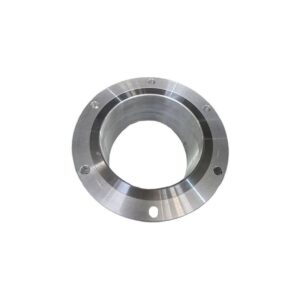
Beihaoli lists Hand Hole Flange / Manhole Small Access Flange in its catalogue. Use that page to explain the product family, then send the current drawing and application requirements for a configuration-specific review. For hand hole flange, highlight clear opening, gasket seating, cover attachment and maintenance reach and include the evidence required for acceptance. Catalogue descriptions and photographs should not be treated as an order-specific capacity or certification statement.
The company’s manufacturing capabilities page describes forging, extrusion, machining, finishing and inspection support. Ask which operations and documents are included in the proposed hand hole flange supply route. Provide the required quantity, sample expectations and delivery destination so the response can address tooling, first-article work, packing and shipment planning on the same technical basis.
For independent background, consult the ASME flange-standard scope. Use the applicable project edition and material scope. The reference is a standards resource, not certification of a supplied component.
Questions about hand hole flange
What information is needed to specify hand hole flange?
Provide the application, current drawing, material and supplied condition, dimensions, finish and quantity. For this interface, identify clear opening, gasket seating, cover attachment and maintenance reach. Include the mating parts so fit is reviewed as an assembly.
Can hand hole flange be selected by appearance alone?
No. A photograph helps explain the shape but cannot establish tolerances, material, service limits or system qualification. In this application, a pressure-tight cover can still be impractical if tools or hands cannot access the fasteners. Request the relevant drawing and evidence.
Which evidence should accompany hand hole flange?
Agree an inspection package before ordering. Relevant inputs include equipment drawing, closure design and maintenance envelope review. Material records and assembly trials answer different questions, so neither should be used as a substitute for the other.
When should buyers request a sample of hand hole flange?
Request a sample before batch release when a new interface, finish, tool or material is involved. Define the checks in advance and retain the accepted sample identity and drawing revision.
What should a quotation for hand hole flange include?
Ask for the supplied condition, included processing and inspection, packaging, quantity basis and order-specific delivery plan. Have deviations and exclusions listed explicitly so competing offers can be compared on the same scope.